
Keep Your Cool: Why AC Maintenance Matters More Than You Think
A well-functioning air conditioner is the unsung hero of comfort, especially in hot and humid climates where indoor temperatures can quickly become unbearable. Yet, too many homeowners wait until their system fails on the hottest day of the year to consider maintenance. Regular AC servicing isn’t just about avoiding breakdowns—it’s a proven way to boost efficiency, extend system lifespan, and save money on energy bills. In areas with prolonged cooling seasons, such as Jacksonville and the broader Southeast, seasonal upkeep is essential to combat wear from constant use and moisture exposure.
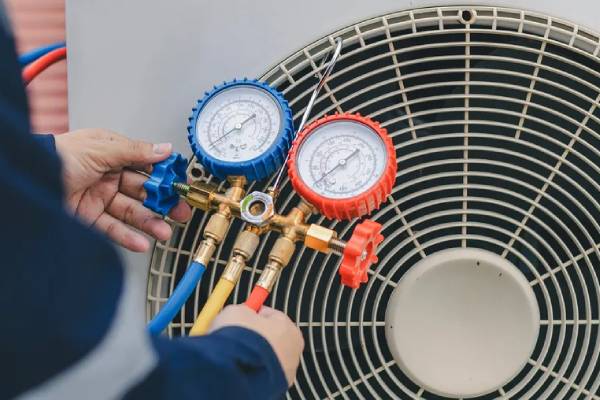
This guide will walk you through the ideal maintenance schedule tailored to each time of year, helping you stay ahead of common issues like reduced airflow, refrigerant leaks, and thermostat misalignment. You’ll learn how simple, routine checks—like inspecting air filters, clearing debris around outdoor units, and ensuring proper thermostat calibration—can prevent costly emergency repairs. With a proactive approach, your HVAC system runs more efficiently, keeps your home consistently comfortable, and delivers better indoor air quality. Stay tuned as we break down exactly what to do—and when—to keep your cool all year long.
Seasonal AC Maintenance: A Step-by-Step Guide for Year-Round Efficiency
Keep your cooling system running smoothly and efficiently with this seasonal maintenance roadmap tailored to Florida’s climate. Following these actionable steps can extend your unit’s lifespan, improve indoor air quality, and reduce energy costs—all while avoiding unexpected breakdowns during peak heat.
1. Spring Prep: Get Ready for the Heat
Begin your maintenance cycle in early spring before temperatures rise.
- Inspect and clean evaporator and condenser coils to remove dust buildup from winter months.
- Check refrigerant levels—low charge can reduce cooling capacity and increase wear.
- Replace or clean air filters to ensure proper airflow and system efficiency.
- Flush drain lines to prevent clogs and potential water damage.
Tip: Schedule a professional tune-up by late March to catch issues early.
2. Summer Checks: Maintain Peak Performance
During peak cooling season, stay proactive.
- Inspect for ice buildup or strange noises—these indicate airflow or refrigerant issues.
- Clean debris around the outdoor unit (branches, leaves, grass clippings).
- Monitor thermostat performance and ensure your home cools evenly.
Best practice: Perform a visual check monthly to ensure uninterrupted operation.
3. Fall Evaluation: Assess and Adjust
After summer’s strain, evaluate system health.
- Test heating mode if your system includes a heat pump.
- Inspect electrical components and wiring for wear.
- Seal duct leaks to prevent energy loss.
Ideal for homeowners in Jacksonville and surrounding regions preparing for variable fall temperatures.
4. Winter Care: Protect Your Investment
Even in mild winters, care matters.
- Cover the outdoor unit only if it rains often and debris is a concern—never fully seal it.
- Keep the area around the unit clear of leaves and yard waste.
- Run the system weekly to keep components lubricated and operational.
Following this seasonal plan ensures reliability, efficiency, and comfort all year long.
Watch for These 5 Warning Signs Your AC Needs Immediate Attention
Don’t wait until your cooling system fails during a sweltering Jacksonville summer. Catching problems early can prevent costly repairs and extend the lifespan of your unit. Here are five key indicators your air conditioner needs prompt servicing:
- Unusual Noises Like Grinding, Squealing, or Clunking
Strange sounds often point to mechanical issues such as worn belts, failing bearings, or loose components. While some minor noise is normal, persistent grinding or banging should never be ignored—it could signal internal damage that worsens with continued use. - Weak or Inconsistent Airflow from Vents
If certain rooms feel warmer or airflow seems reduced, it could stem from a clogged air filter, blocked ductwork, or a failing blower motor. Uneven cooling not only affects comfort but also strains the system, increasing energy consumption. - Noticeably Higher Energy Bills
An inefficient AC works harder to maintain temperatures, driving up utility costs. If your monthly bills spike without a change in usage, it may be due to refrigerant leaks, dirty coils, or aging parts needing attention. - Frequent Cycling On and Off
Short cycling wastes energy and wears down components. Causes include thermostat malfunctions, refrigerant issues, or an oversized unit—but many cases are preventable with routine checks. - Foul Odors When the System Runs
A musty, burnt, or rubbery smell can indicate mold in the ducts, electrical problems, or overheating parts. These require immediate inspection to maintain indoor air quality and safety.
Keep Your Cool: Master Your AC’s First Line of Defense—The Air Filter
Changing your air filter isn’t just routine upkeep—it’s essential to your cooling system’s efficiency, indoor air quality, and long-term performance, especially in humid climates like Jacksonville where dust, pollen, and allergens circulate heavily. Your AC filter traps airborne particles, preventing them from clogging internal components and reducing airflow. When filters become saturated, your system works harder, driving up energy bills and increasing wear on critical parts.
There are several filter types to consider:
- Fiberglass: Basic, low-cost, ideal for residential use but needs frequent replacement
- Pleated: Higher MERV ratings capture more contaminants, better for allergy sufferers
- Electrostatic or washable: Reusable, eco-friendly, but requires consistent cleaning
Replace standard 1–2 inch filters every 30 to 60 days during peak cooling season. Homes with pets, smokers, or allergy concerns may need replacements monthly. Larger 4–5 inch filters last 6–12 months but still require seasonal inspection.
Proper filter maintenance improves airflow, maintains manufacturer efficiency ratings, reduces strain on your compressor, and extends system lifespan. Set calendar reminders or pair changes with seasonal shifts to stay consistent. When in doubt, pull the filter out and check—visible grime means it’s time to swap.
What Happens During a Professional AC Tune-Up: Your System’s Annual Checkup
A professional AC tune-up is like an annual physical for your cooling system—catching small issues before they become costly repairs. In Jacksonville’s hot and humid climate, ensuring your unit runs efficiently year after year starts with a comprehensive maintenance visit. Here’s what certified technicians typically perform during a standard service call.
First, coil cleaning removes dirt and debris from the evaporator and condenser coils, which improves heat transfer and system efficiency. Dirty coils make your AC work harder, driving up energy bills and wear. Next, a refrigerant check confirms proper charge levels. Low refrigerant can signal a leak, reducing cooling capacity and potentially damaging the compressor.
Technicians also conduct a thorough electrical inspection, testing connections, capacitors, and contactors for signs of wear, corrosion, or loose wiring—common culprits behind system failures. Finally, a complete system performance test verifies that all components cool effectively, cycle properly, and maintain optimal airflow.
These steps not only extend equipment life but also help maintain consistent comfort during peak summer months. Scheduling annual tune-ups before the season starts ensures your system is ready when you need it most.
Your Top AC Service Questions Answered
- How often should I have my AC unit serviced?
For optimal performance, schedule professional maintenance at least once a year—ideally before peak cooling seasons. In hotter climates like Jacksonville, biannual checkups (spring and fall) help catch issues early and extend system lifespan. Regular tune-ups improve energy efficiency and prevent unexpected breakdowns during high-demand months.
- What does a standard AC service include?
A comprehensive inspection covers key components: cleaning or replacing air filters, checking refrigerant levels, inspecting electrical connections, lubricating moving parts, and testing thermostat calibration. Technicians also examine ductwork for leaks and ensure proper airflow, which directly impacts indoor comfort and system efficiency.
- How long does an AC maintenance visit take?
Most routine service appointments last between 60 and 90 minutes, depending on system age and condition. Older units or those overdue for maintenance may require additional time for cleaning, part replacements, or troubleshooting performance issues.
- Is DIY AC maintenance safe or effective?
Basic tasks like filter replacement and keeping the outdoor unit clear of debris are safe for homeowners. However, complex diagnostics, refrigerant handling, and electrical inspections should be left to licensed HVAC professionals to avoid safety hazards and voided warranties.
- What’s the average cost of AC servicing?
Pricing varies by region and system complexity, but most annual maintenance plans range from $75 to $200. Some providers offer service agreements with discounted rates and priority scheduling—ideal for ensuring consistent care without surprise repair bills.
Stay Ahead of the Heat with Smart AC Care
Keeping your air conditioning system in top shape isn’t just about comfort—it’s about efficiency, longevity, and avoiding costly mid-season breakdowns. As we’ve explored, seasonal maintenance is the cornerstone of reliable performance. From inspecting refrigerant levels and cleaning coils in the spring, to clearing debris and checking thermostat calibration in the fall, each step plays a vital role in your system’s health. Neglecting these tasks can lead to reduced airflow, higher energy bills, and premature equipment failure—issues that hit harder during peak summer months in regions like Jacksonville, where cooling demands are high.
To maximize results, follow a consistent AC maintenance schedule: schedule professional tune-ups at least twice a year, change air filters every 1–3 months depending on usage, and keep outdoor units free of landscaping overgrowth and debris. These small efforts pay off by improving indoor air quality, stabilizing temperatures, and extending the life of your HVAC investment.
Don’t wait for a breakdown in 90-degree heat. Take proactive steps now to inspect your system and plan your next service. For personalized guidance and expert support tailored to your home’s cooling needs, reach out to a licensed HVAC provider in your area to schedule a seasonal check-up. Comfort and reliability start with care.